Discover the underground
The animals that never see light, the people who went looking for them, and the traces left by those who came before.
What lives and what happened down there
Natural history and human history, in four chapters.
A cave is more than its geology. The same passages have sheltered Ice Age bears and the people who hunted them, baffled Baroque scholars, and produced the animals on which a whole branch of biology was founded.
These four pages cover the living and human side of the Slovenian underground.
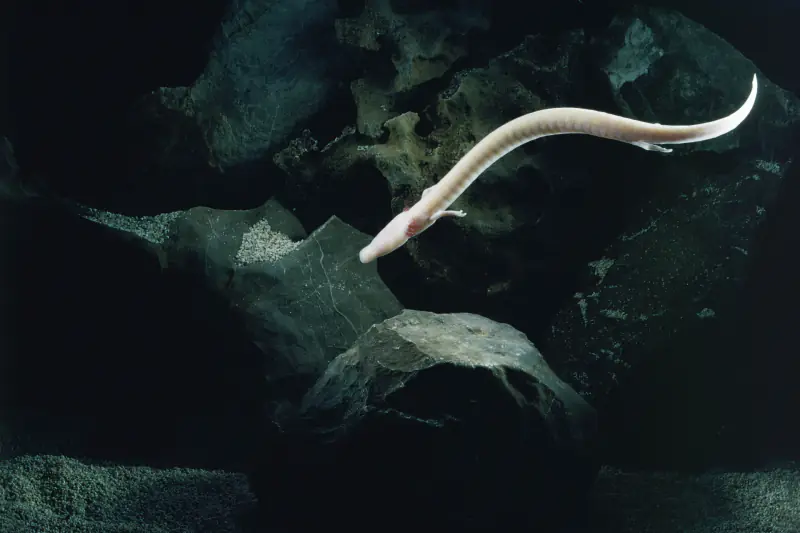
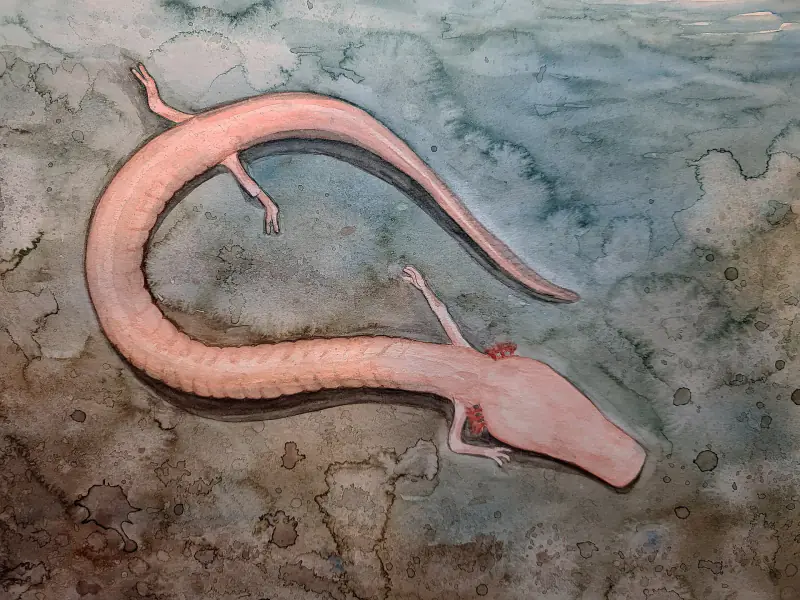
In 1689 Valvasor reported that after heavy rain a spring near Vrhnika threw out the offspring of a dragon. It was the first written account of the olm.
The birthplace of speleobiology
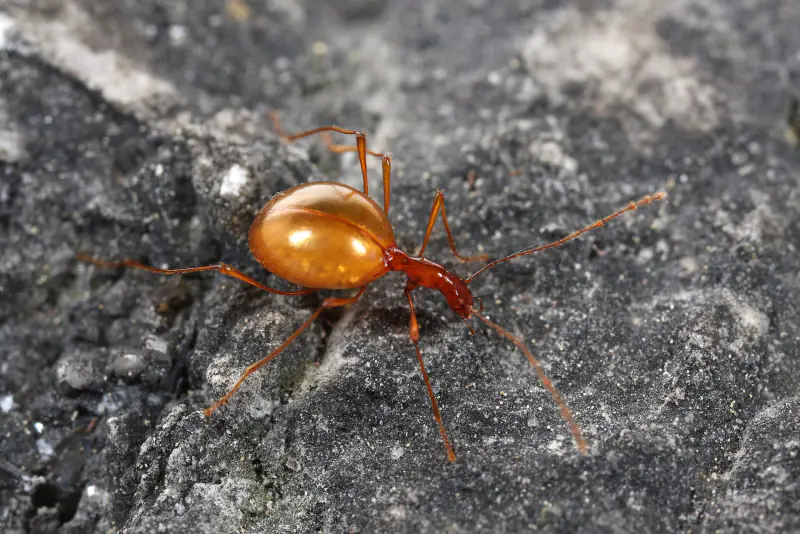
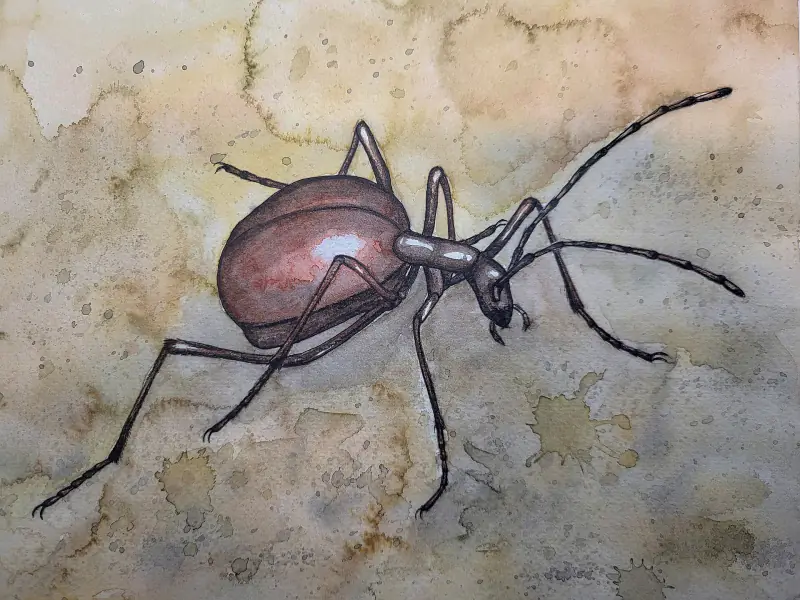
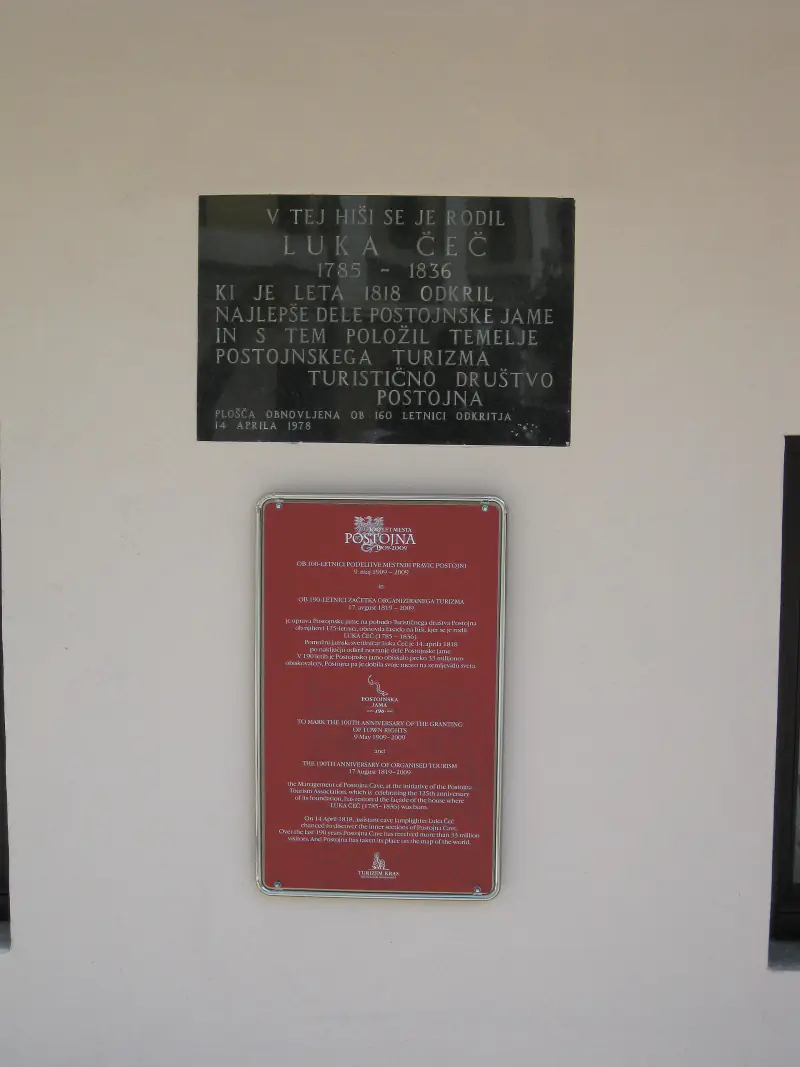
Until 1831 nobody supposed that animals lived permanently in caves. That year Luka Čeč, the man who had discovered the inner parts of Postojna Cave, picked up a small, blind, long-legged beetle there. Its description the following year opened a new field of study.
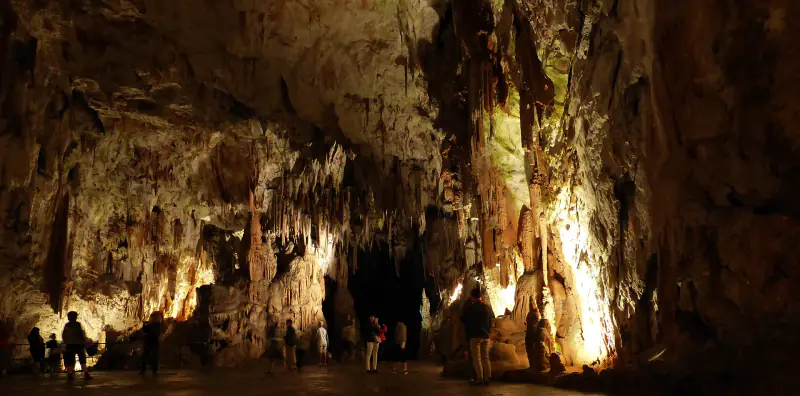
The Postojna–Planina system has since yielded more cave-adapted species than almost any other on Earth.
Three centuries of going further
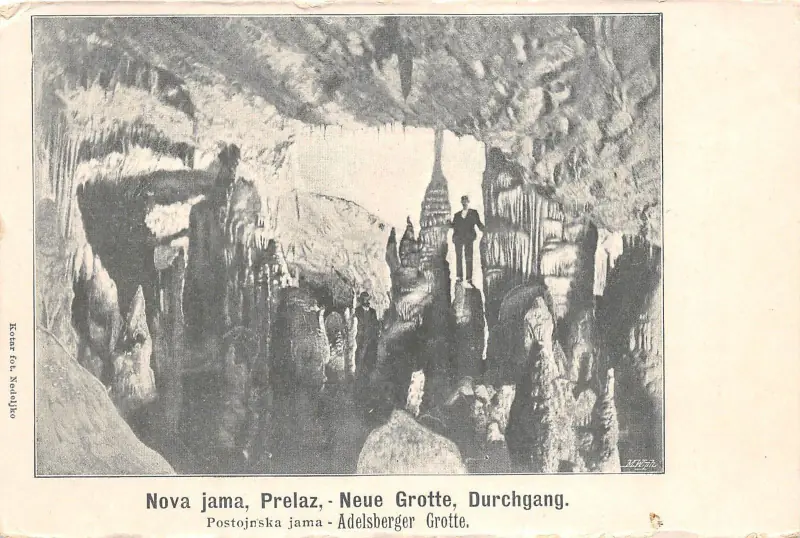
The exploration of these caves is a story of locals with ladders and candles, Viennese surveyors, a French lawyer in a folding boat, and today's cavers with drills and laser rangefinders. The international body for cave science was founded here in 1965.
See them for yourself
Olms can be seen in the vivarium at Postojna Cave; cave bear bones at Križna jama.