Sloveniaunderground
More than 14,000 caves lie beneath a country you can cross in three hours. This is an independent guide to the ones you can visit, and to the karst that made them.
Explore the cavesStart with the classics
Twelve caves in Slovenia are equipped for visitors. These are the ones most people come for.
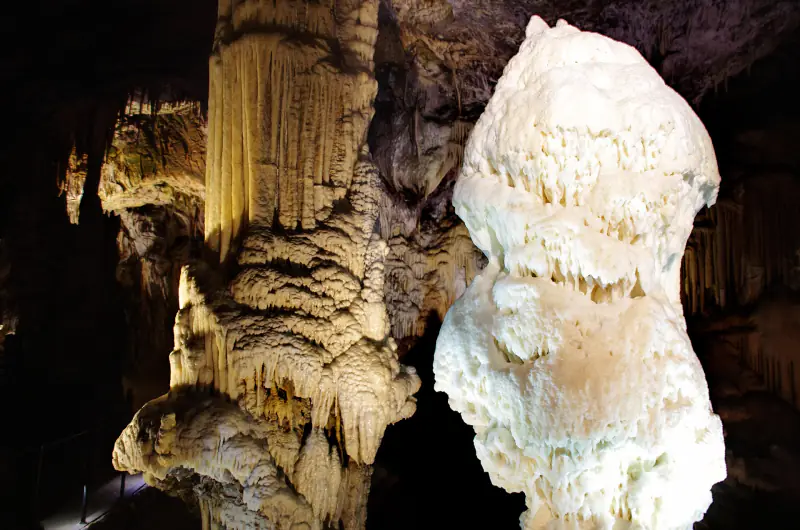
Postojna Cave
24 km of passages and an underground railway
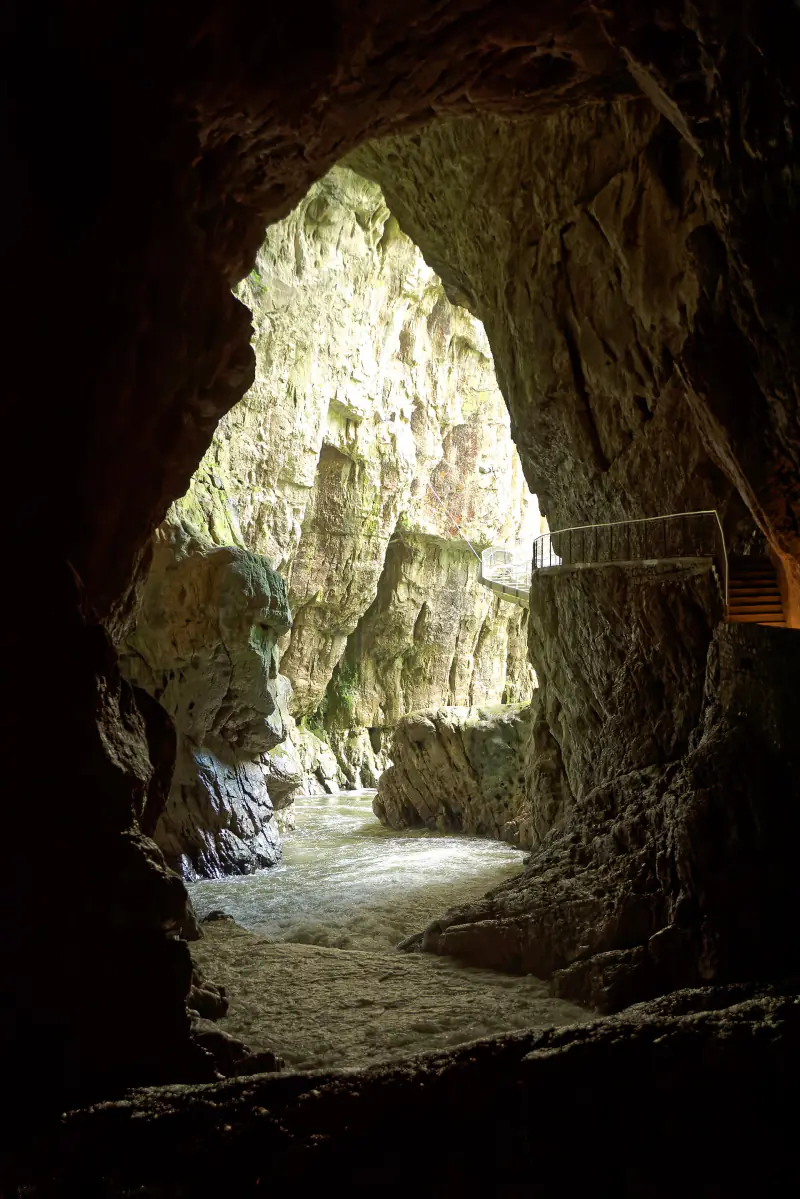
Škocjan Caves
A UNESCO-listed underground canyon
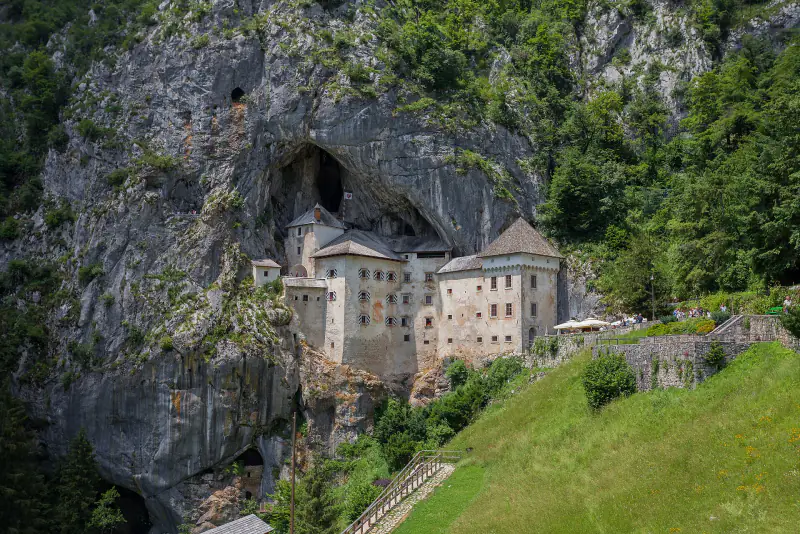
Predjama Castle
A fortress in the mouth of a cave
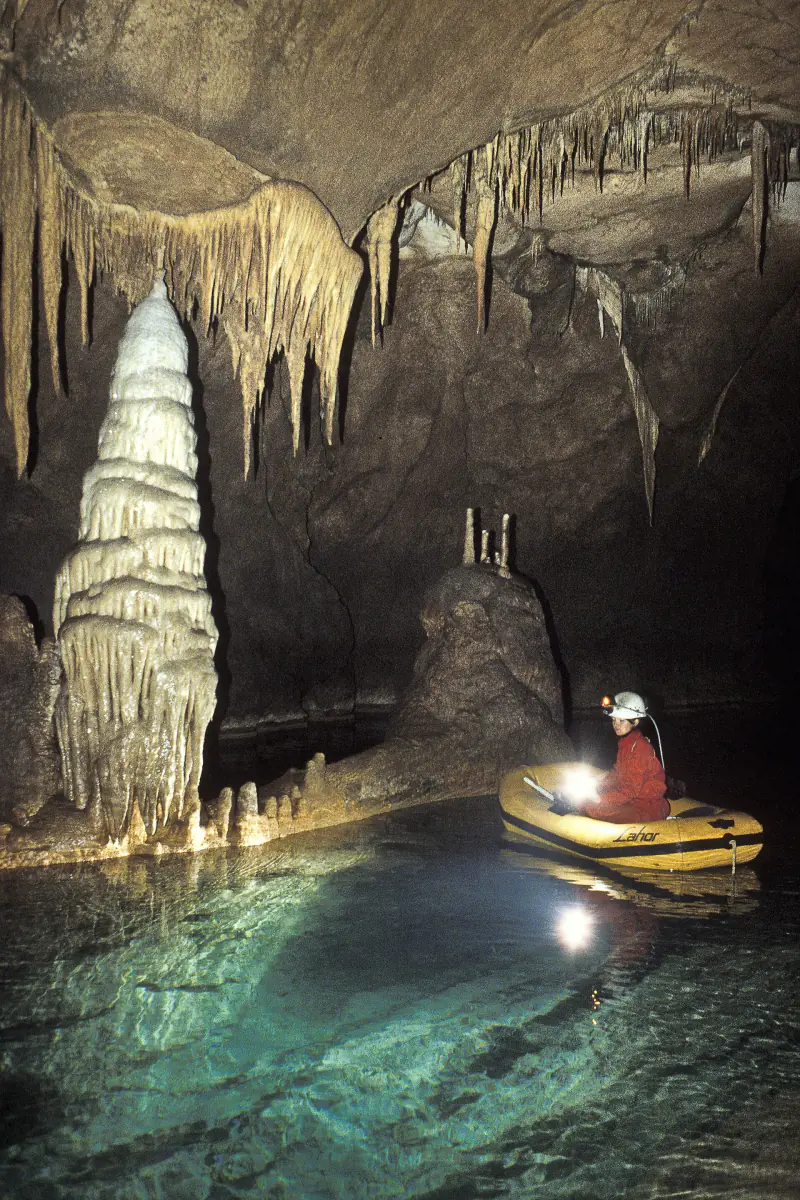
Križna jama
By boat across underground lakes
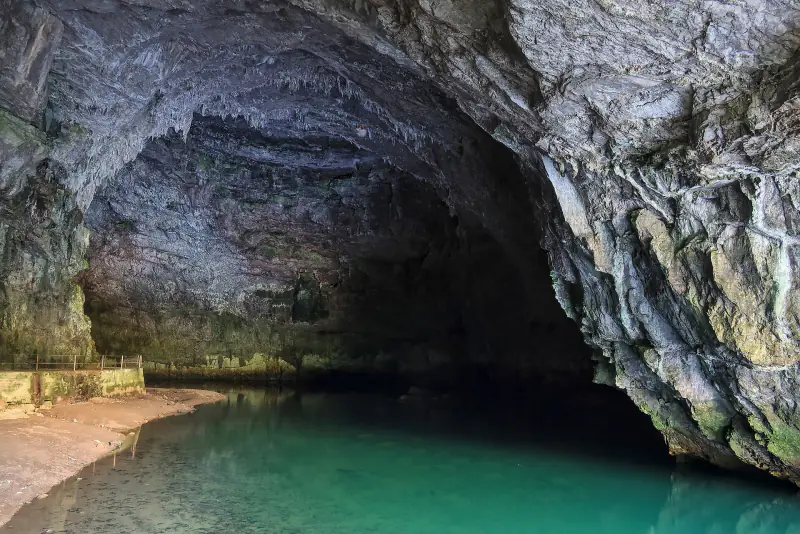
Planina Cave
Where two underground rivers meet
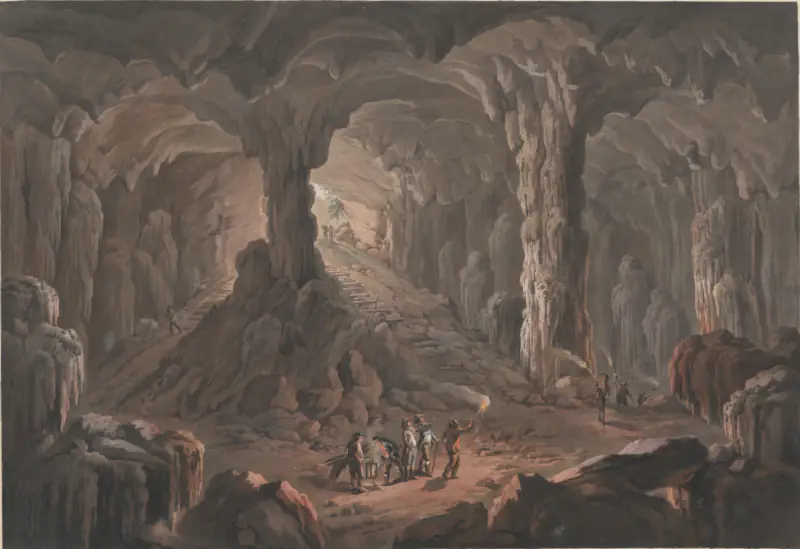
Vilenica Cave
Europe's oldest show cave
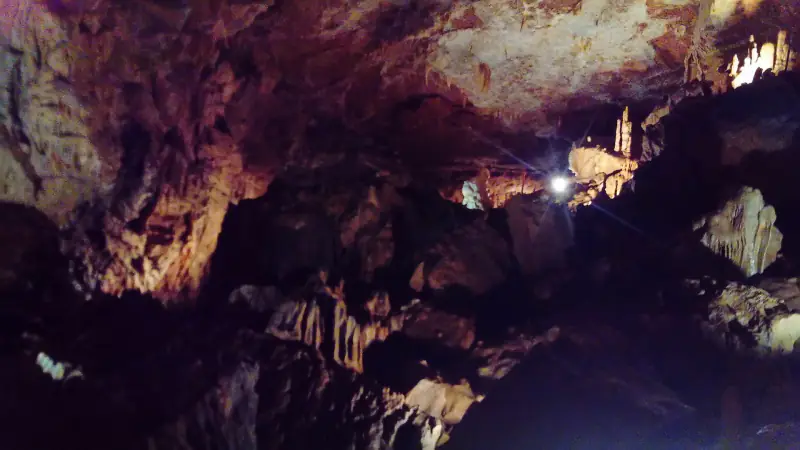
Županova jama
Seven halls near Ljubljana
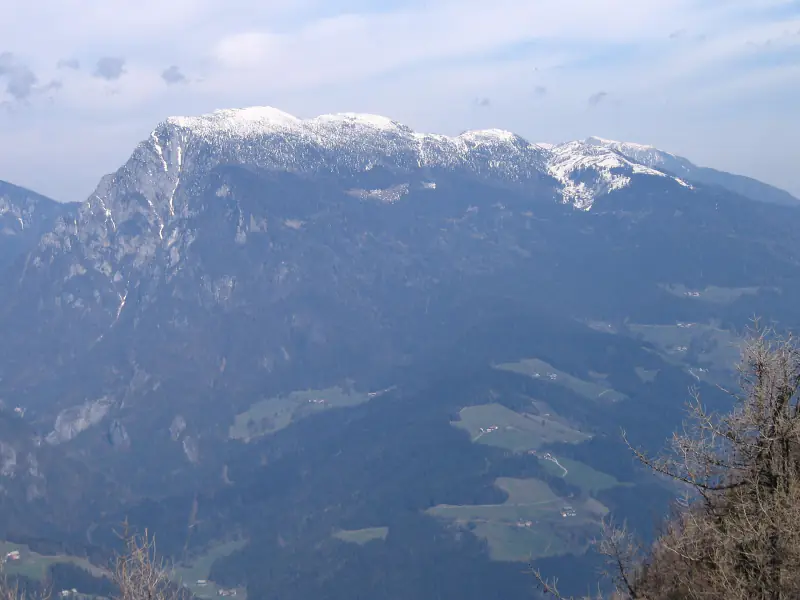
Snežna jama
An ice cave high on Mount Raduha
caves registered in the national cave register, with more added every year
of Slovenia's surface is karst, a landscape shaped by dissolving limestone
of known passages in Postojna Cave, Slovenia's best-known cave system
The word karst comes from here. Geologists borrowed it from the Kras plateau above Trieste, and with it the words doline, polje and ponor.
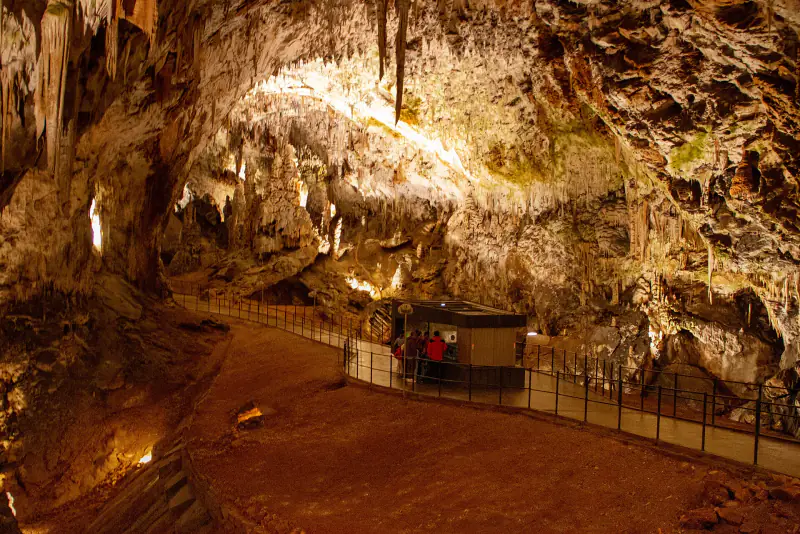
A railway into the mountain
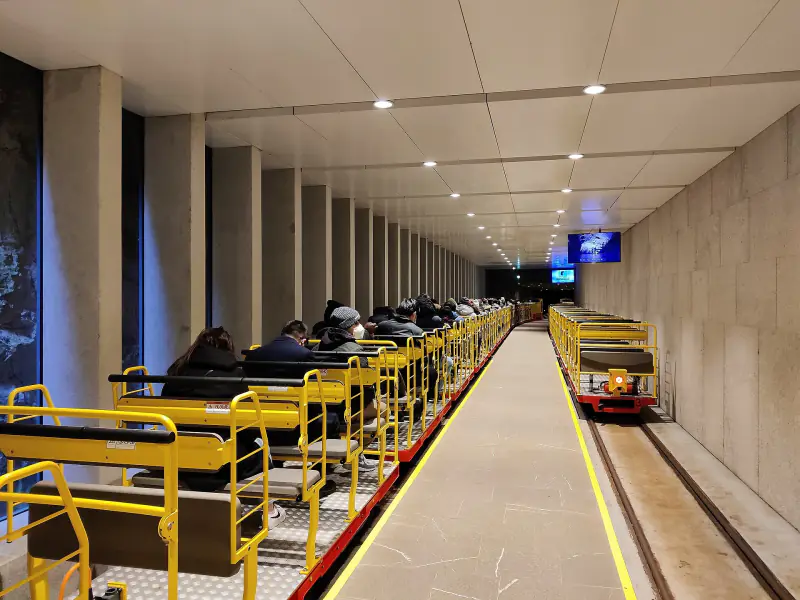
Postojna Cave has been receiving visitors since 1819, and since 1872 it has carried them in by train. The ride covers roughly 3.7 km of the cave before a walk through halls of dripstone known as the Great Mountain and the Beautiful Caves.
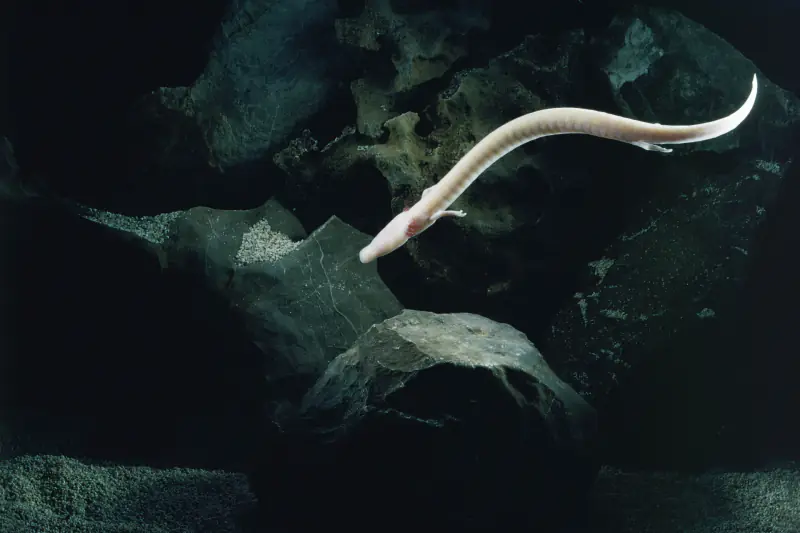
Its emblem is the Brilliant, a five-metre stalagmite of pure white calcite. Its most famous resident is the olm, a pale, blind salamander that can live for a century.
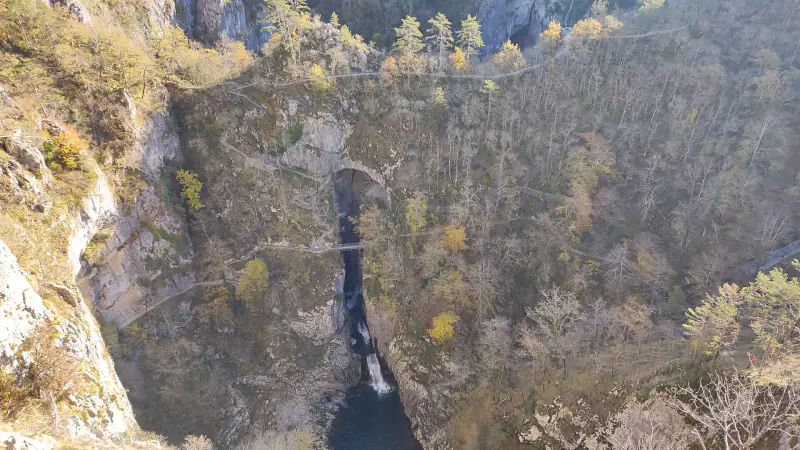
The canyon under the Karst
At Škocjan the Reka river drops out of daylight into one of the largest underground canyons known anywhere. The path crosses it on the Cerkvenik Bridge, some 45 metres above the water.
UNESCO inscribed the Škocjan Caves on the World Heritage List in 1986. The river is not seen again for about 34 km, until it surfaces near the Adriatic coast as the Timavo.
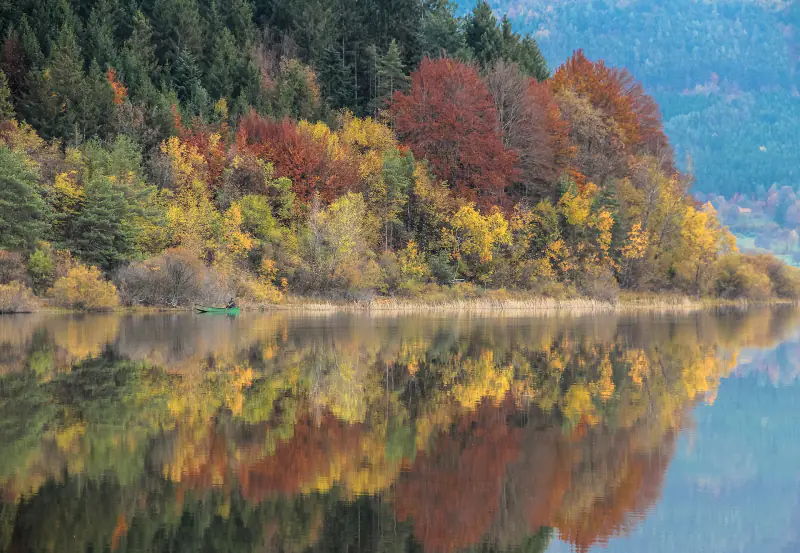
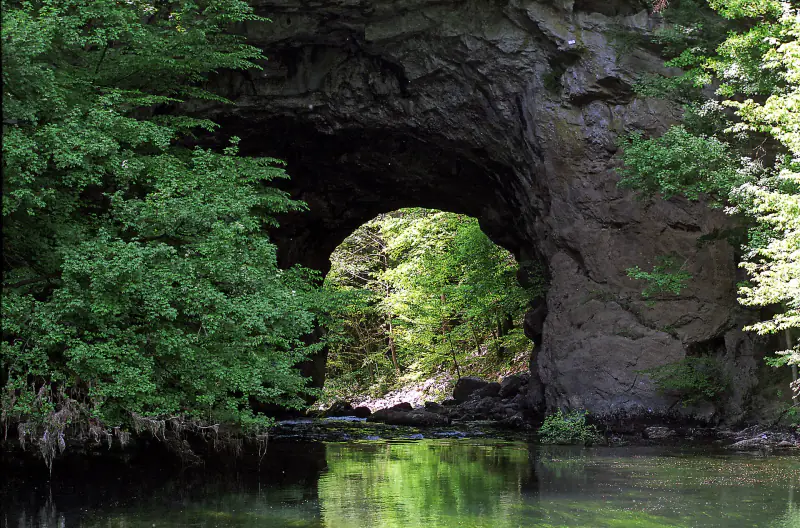
A lake that comes and goes
Karst is not only underground. Lake Cerknica fills a whole valley in a wet autumn and can be gone by midsummer, draining through swallow holes in its own bed. Nearby, the roof of a cave has collapsed to leave two natural bridges standing over the Rak stream.
These places cost nothing to visit and are at their best on foot.
The human fish
Slovenes call the olm človeška ribica, the human fish, for its skin the colour of pale flesh. It breathes through feathery gills, never grows up in the usual amphibian sense, and can go years without a meal.
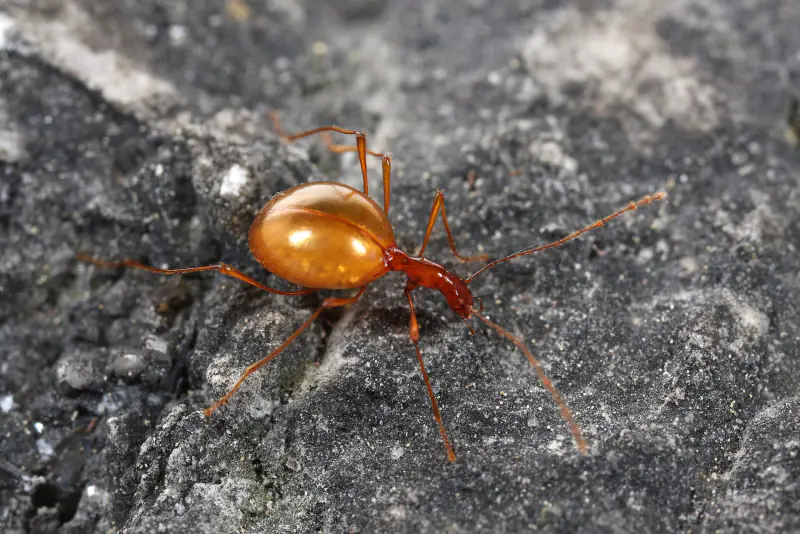
The Dinaric karst is among the richest places on Earth for cave-adapted animals. The first cave beetle known to science was collected in Postojna in 1831.
Small country, deep ground
Make it a trip
Most of the great caves sit within an hour of each other, between Ljubljana and the coast.
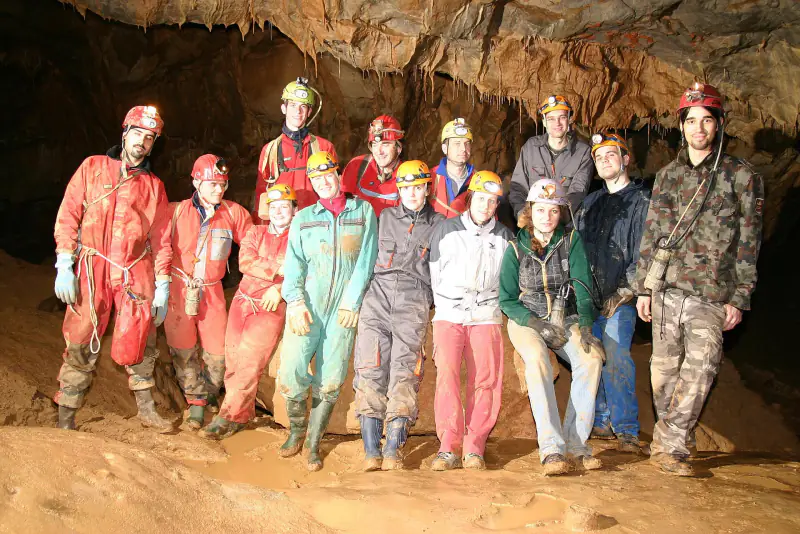
Not sure where to start?
The FAQ answers the questions visitors ask most: which cave to choose, how cold it is, and whether you need to book.